Septic pumping is one of those things homeowners know they should do, but most are not sure when, how often, or what actually happens during the service.
That confusion usually leads to one of two problems. Either the tank gets pumped way more often than necessary, or it gets ignored until there is a puddle in the yard or sewage backing up in the house.
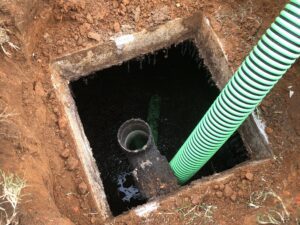
You may hear it called septic tank pumping, septic tank cleaning, or a pump-out. They all mean the same thing: a truck vacuums the solids and liquid out of your tank so they do not move into the rest of your system.
Here is everything you need to know..
How Often Should a Septic Tank Be Pumped?
Most residential septic tanks should be pumped about every 1 to 5 years, depending on several factors. Aerobic systems usually fall at the short end of that range and conventional systems at the long end.
| System Type | Typical size | Pump frequency |
|---|---|---|
Aerobic |
400–500 gallon trash tank |
1–3 years |
Conventional |
1,000 gallon tank |
3–5 years |
How often you really need pumping depends on:
- Tank size
- Number of people in the home
- Water usage habits
- Type of system (conventional vs aerobic)
A small tank with a large family using a lot of water may need pumped closer to every 1 to 3 years. A larger tank with one or two people in the home might go longer.
Aerobic systems: Letting solids build up too long in an aerobic tank can cause damage to pumps, diffusers, and spray systems. That repair bill is a lot more painful than routine pumping.
Conventional systems: Letting your system go longer than 5 years can damage your lateral lines, which you cannot tell from just looking at it.
If you do not know when your tank was last pumped, that is a good sign to check records or schedule an inspection so you are not guessing.
Use the pumping chart as a starting point
This septic tank pumping chart will give you an idea of how long you can go between cleaning out your tank.
Most aerobic systems in Oklahoma have a 400-500 gallon trash tank so use the frequency listed for a 500 gallon tank. Most conventional systems have a 1,000 gallon tank.
If you had an aerobic system installed as a replacement and you know the 1,000 gallon tank was left in service, you can use that to determine timing.
The chart is a rule of thumb, not a schedule. A trusted pumper gets to know your household habits over a few visits and can tell you if you can go longer between cleanouts or need to pump more often.
If you do not know when your tank was last pumped, check your records or schedule a pump-out so you are not guessing.

How Do You Know If Your Tank Needs Pumped?
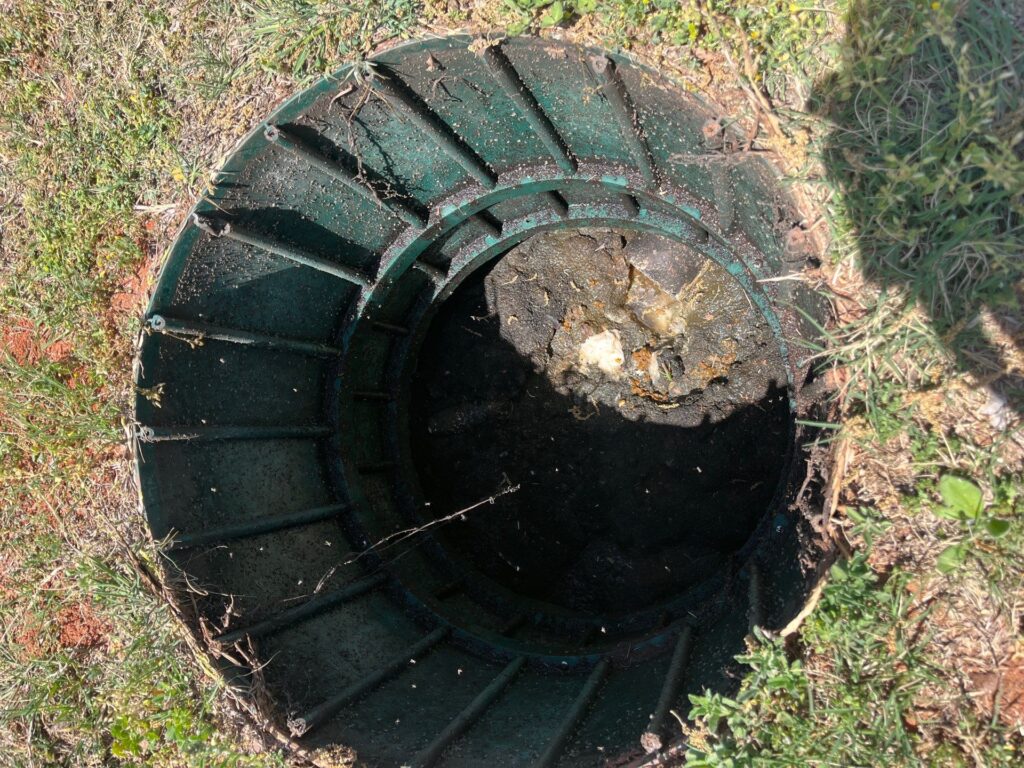
If you are waiting for a sign, you may already be causing damage. Unlike other parts of your home, your septic system does not always give clear warnings before trouble starts. The goal is to pump before you see any symptoms.
That said, these are the common warning signs homeowners notice when a tank is getting too full:
- Slow drains in the house
- Gurgling sounds in plumbing
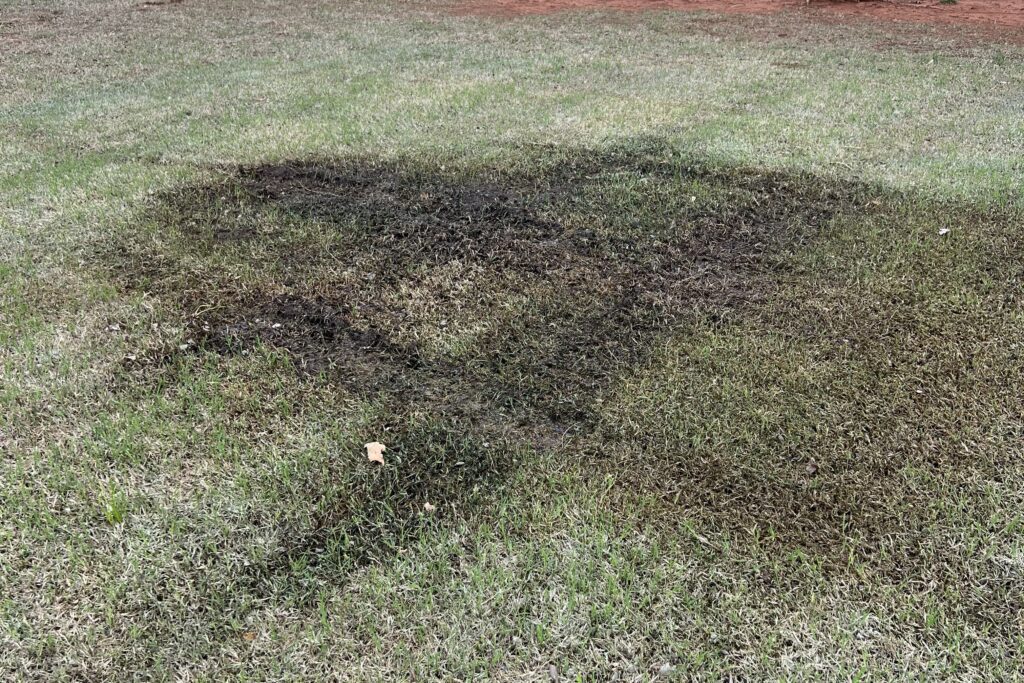
- Wet or soggy areas in the yard near the tank or field
- Alarm going off on an aerobic system
- Toilets that do not flush normally
Conventional systems usually show it as toilets backing up or water standing in the yard. Aerobic systems start to have equipment failures or stink when they are past due.
These signs do not always mean the tank just needs pumped. Sometimes there is a clog, a broken line, or a drain field issue. But a full tank is one of the first things we check.
What Happens If You Wait Too Long?
By the time most homeowners realize there is a problem, the damage has been done. Skipping pumping can lead to:
- Drain field damage: Solids that leave the tank clog the soil in your field. Drainfields typically fail once biomat stops the soil from absorbing wastewater, and skipping maintenance speeds that up.
- Aerobic equipment damage: Skipping aerobic system maintenance shortens the life of your aerator and pump. Wait long enough and you may end up spraying untreated poo on your lawn!
- Backups in your home: Wastewater backups can damage flooring, walls, and plumbing.
- Health hazards: Untreated sewage can surface in your yard or reach nearby water.
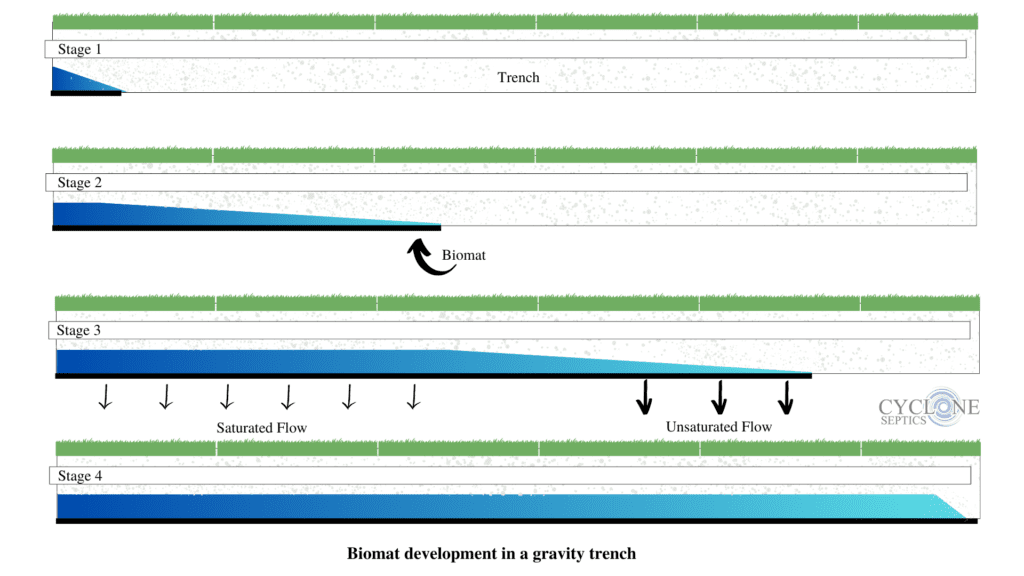
Pumping regularly costs far less than replacing a drainfield or an aerobic pump early!
What to Expect During Pumping
Homeowners are often surprised by how simple the actual pumping appointment is.
- We locate and open the tank lids
- Pump the contents of the tank
- Inspect basic components we can see at the time
- Cover the tank
- Give you our inspection notes and recommendations for repairs or timing for the next pump job
For conventional systems, the process is usually quick and straightforward. For aerobic systems, we also pay attention to what is going on in each chamber, because solids migrating out of the trash tank can damage the rest of the system.
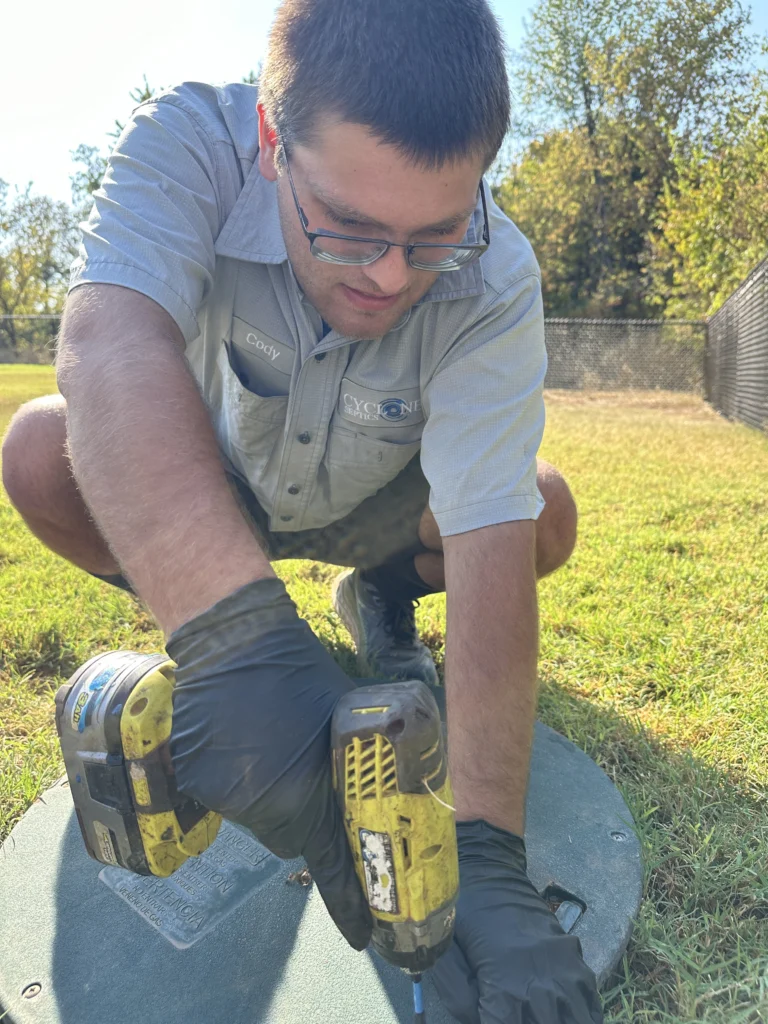
You do not need to be home for every pump-out as long as we have access to the tank lids. That said, many homeowners like to be there the first time so they can see where everything is located and ask questions.
One important note. Pumping does not “fix” a failing system. It is maintenance. If there are structural or drain field issues, those need to be addressed separately.
What to Expect After Pumping
Right after pumping, your tank may need to be refilled if you have a plastic or fiberglass tank or shallow groundwater. Yes, even a concrete tank can float!
You may notice a slight smell near the lids or inside your home after service. That is normal and should go away once the soil settles and the tank refills.
If you had issues before pumping, like slow drains or alarms, watch whether they improve. If they do not, there is likely a different problem that pumping alone did not solve. A pump-out can buy breathing room when heavy rain is stressing your system, but the tank usually refills in less than a week.
Taking Care of Your Tank Between Pumping
Routine pumping works best when homeowners are not unintentionally abusing the system between services.
- Keep water usage reasonable and fix leaks promptly
- Avoid flushing wipes, paper towels, or hygiene products
- Limit grease and food waste going down the sink
- Use septic safe practices but do not obsess over using additives – they aren’t needed.
In fact, additives are one of the biggest misconceptions around septic systems. A healthy septic tank already has the bacteria it needs from normal household use. No product replaces physically removing solids from the tank.
Also be mindful of what happens outside. Do not drive heavy equipment over the tank or field and keep roots and large trees away from system components.
Taking care of the system between pump outs is what allows you to extend time between service without emergency pumping sooner.
Your toilet paper matters more than you think!
Contrary to popular belief, the bacteria in your septic tank are not great at breaking down toilet paper. Toilet paper should dissolve quickly into small particles, but not all brands dissolve at the same rate. Using the right toilet paper means fewer cleanings and fewer repairs.
I tested over 30 brands of toilet paper, and the results are on TikTok and Instagram. Surprisingly, my top recommendation is Great Value Soft & Strong or Ultra Soft!
To test your own toilet paper at home:
- Fill a jar with water. Use a clear jar.
- Add toilet paper. Drop in a few squares.
- Shake the jar. Secure the lid and shake hard for 10–15 seconds.
- Check the results. Let it sit a few minutes. If the paper has mostly dissolved or broken into small pieces, it is likely fine for your septic. If it is still intact, consider switching brands.
Taking care of the system between pump-outs is what lets you stretch the time between services without an emergency call.
Be Wary of Anyone Who Says to Pump Every Year
I hate to say it, but there are dishonest septic companies out there that will tell every customer to pump annually. Ask yourself (or them!) why.
A small aerobic tank in a busy household may truly need pumping every year or so. But that should come from what the pumper actually sees in your tank, not a blanket rule. A good pumper will tell you when you can go longer.
A reputable, honest company may cost a little more, but you will be able to trust what they tell you!
Septic Pumping FAQ
Should the pumper empty the tank?
Yes, your tank should be empty or nearly so when the pumper is done. Oklahoma state law says no more than 5% of the tank volume should remain. In reality, there should be almost nothing remaining in the tank. You do not need to leave anything to “seed” the tank. There may be a few exceptions to this but our pumper will communicate the reason to you.
How long does pumping take?
Pumping a tank should take no more than 1 hour. If your tank cannot be found or takes longer due to lack of maintenance, we may charge for the additional time.
Do I need to dig up my tank every time?
If you do not have a riser then, yes, your tank will need to be dug up. We may charge to locate and dig up your tank. We recommend adding a riser to any tank that does not have one to make regular pumping and maintenance easier.
Does pumping clean out the lateral lines?
No. If you have waited too long to pump your tank, sludge may get into the lateral lines. Pumping your tank will not remove this sludge. Jetting the lines may help but it is a temporary solution since it only cleans out out the pipe.
Can I go longer than 5 years if nothing seems wrong?
If your home only has one or two occupants, it may be possible. We recommend pumping after 5 years and our pumper can tell you if you can go longer between service.
What records should I keep?
Keep the date of each pump out and any inspection notes. That history helps you and your service provider make better recommendations over time and provide proof of service if you ever sell your home.
You will receive a written record of your pump job in addition to an electronic invoice. We will also keep records of your pumping, if you ever need it.
Is septic tank cleaning the same as pumping?
Yes. Cleaning, pumping, and pump-out all describe the same service: removing the solids and liquid from your tank with a vacuum truck.
Will pumping fix a failing system?
No. Pumping is maintenance. It will help until the tank fills back up, which usually takes less than a week. If heavy rain is overloading your drain field, pumping may give it time to dry out. Structural or drain field problems need repairs.
Can I go longer than 5 years if nothing seems wrong?
If your home only has one or two occupants, it may be possible. We recommend pumping after 5 years, and our pumper can tell you if you can go longer between services.
Ready to Get on the Schedule?
Don’t wait for signs of trouble. Schedule our septic pumping service for Edmond, Guthrie, and North OKC online or call us at (405) 373-1540.