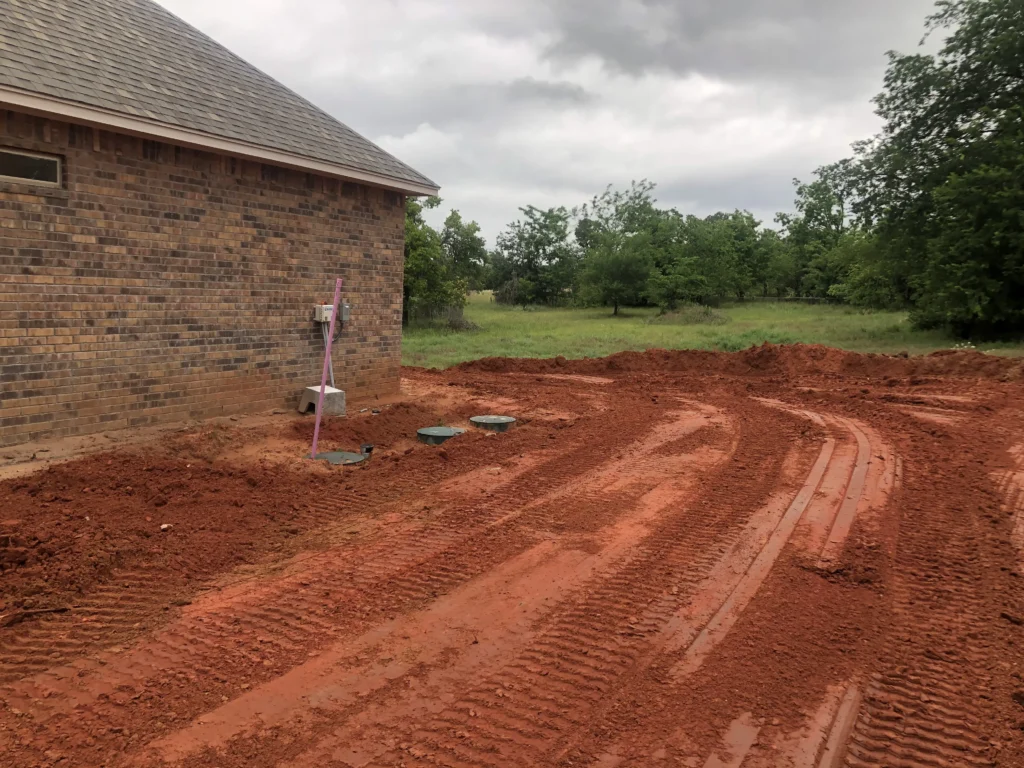
If there is one thing Oklahoma has plenty of, it is red dirt.
It gets on your boots, your truck, your equipment and pretty much anything else it comes in contact with. We deal with Oklahoma red dirt every day, but when it comes to septic systems, the dirt is a lot more important than most people realize.
The soil is actually part of the system.
And not all dirt is created equal.
Why Is Oklahoma Dirt Red?
The short answer is iron.
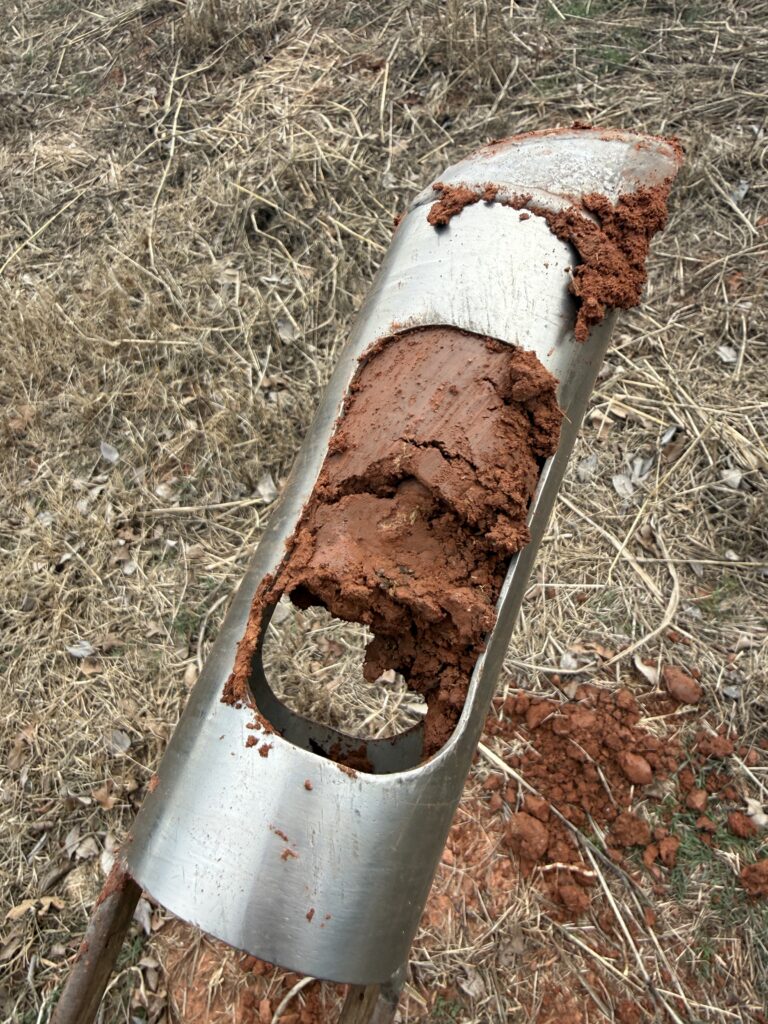
A lot of Oklahoma soil contains iron compounds that oxidize and give us the red color we’re known for. But just because two properties both have red dirt doesn’t mean the soil is the same.
That’s the part that matters when we’re talking about septic systems.
Soil can change significantly from one side of a property to the other.
You can’t tell the amount of sand or clay in the soil just by looking at it.
You need a perc test or soil profile to identify the soil composition.
Dirt Is Part of Your Septic System
With a septic system, the tank is only doing part of the work.
Wastewater leaves the house and enters the septic tank where the solids are separated from the liquid. The liquid, or effluent, then has to go somewhere.
That’s where the soil comes in.
The soil has to be able to accept and treat that wastewater. How quickly water moves through the soil, the different soil layers, restrictive conditions and the amount of usable area on the property can all affect what kind of septic system can be installed.
That is why your neighbor may have a conventional septic system and you may need an aerobic system even though you’re only a few hundred yards apart.
Soil can change drastically in a short distance.
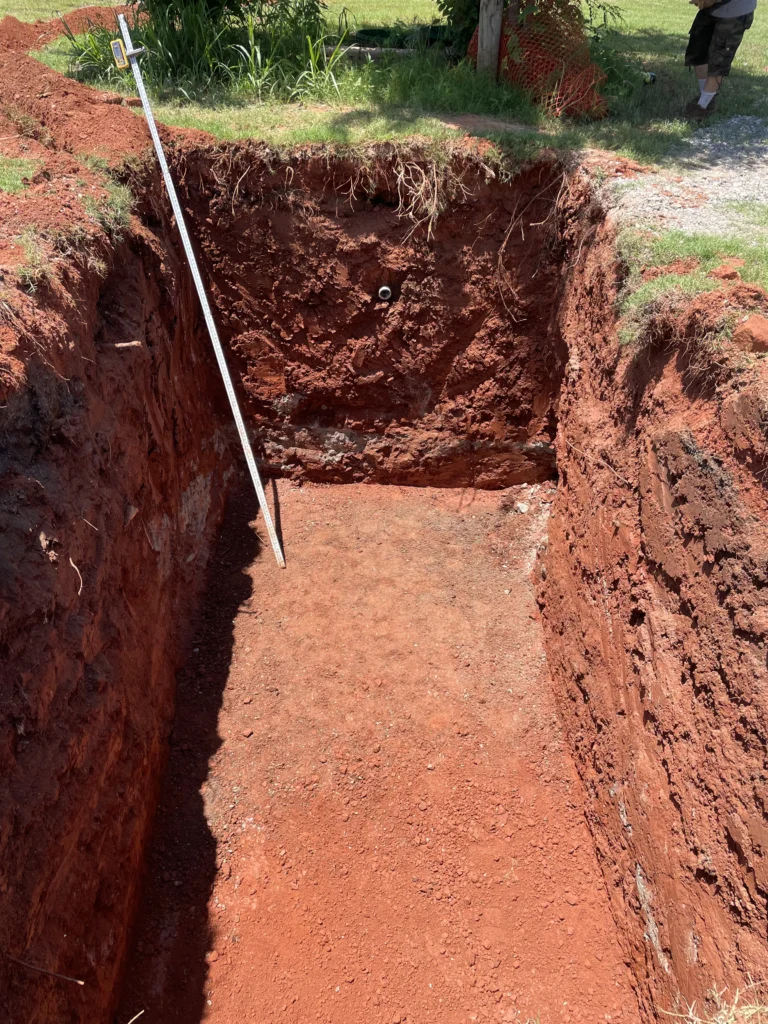
This Is Why We Do Soil Profiles
Before we decide what kind of septic system should go on a property, we need to understand the property.
Cyclone does our soil profiling in-house.
I want to understand the soil, the property, where the house is going, where the driveway is going, what you’re planning to build later and what options we have available.
Sometimes the answer is easy.
Sometimes it isn’t.
And honestly, the difficult properties are where having more than one tool in the toolbox really matters.
You Don't Always Get to Decide What Septic System You Want
We get calls all the time from people who only want a conventional septic.
Unfortunately, that’s not really how it works.
We don’t get to pick a septic system and then figure out how to force it onto your property.
We want to look at your property first and then determine what makes sense.
If you have good conditions for a conventional system, great. Conventional systems are simple and don’t have all the mechanical components and ongoing maintenance associated with an aerobic system.
If the property doesn’t work for conventional, then we start looking at aerobic or other options.
There isn’t one septic system that is right for every Oklahoma property.
Calling Early in Your New Build Can Save You Money
If you’re buying land or building a house on acreage, don’t wait until the house, shop, driveway and pool are already planned before you figure out where the septic system is going.
I see this more often than I should.
Everything gets designed and then septic is basically given whatever piece of ground is left over.
Sometimes that’s fine.
Sometimes you’ve just taken a property that had an easy septic solution and turned it into a difficult and expensive one.
If we can look at the property early, we may be able to move the house a little, change where a driveway goes or reserve a particular area for the septic system.
Moving something 30 feet on a piece of paper is cheap.
Moving it after the concrete is poured isn’t.

A Septic System Is More Than Digging a Hole
There are plenty of people who can run an excavator.
That doesn’t make them wastewater experts.
Septic systems involve soil, hydraulics, treatment, elevations, setbacks, loading rates, regulations and a bunch of other things most homeowners will hopefully never have to think about.
That’s our job.
We’ve spent years learning this stuff and taking advanced wastewater training all over the country because we don’t want the only options we can give a customer to be a choice between two – aerobic or conventional.
We do conventional systems. We do aerobic systems. We do alternative systems. We do soil profiling and design work. And we’ve taken on plenty of projects other installers didn’t want to touch.
Sometimes a property really does have a problem.
But sometimes “you can’t put septic there” actually means “I don’t know how to put septic there.”
Those are two very different things.
We Know Oklahoma Red Dirt
We work in Oklahoma soil every day.
Guthrie. Edmond. Piedmont. Cashion. Crescent. Arcadia. Jones. Luther and throughout Central Oklahoma.
We’ve tested it, dug through it, designed around it and installed septic systems in just about every version of Oklahoma red dirt you can imagine.
So if you’re building a house, buying land or trying to figure out what kind of septic system your property needs, don’t start by picking the system.
Start with the soil.
Give Cyclone Septic & Plumbing a call. We’ll figure out what you’re actually working with and go from there.