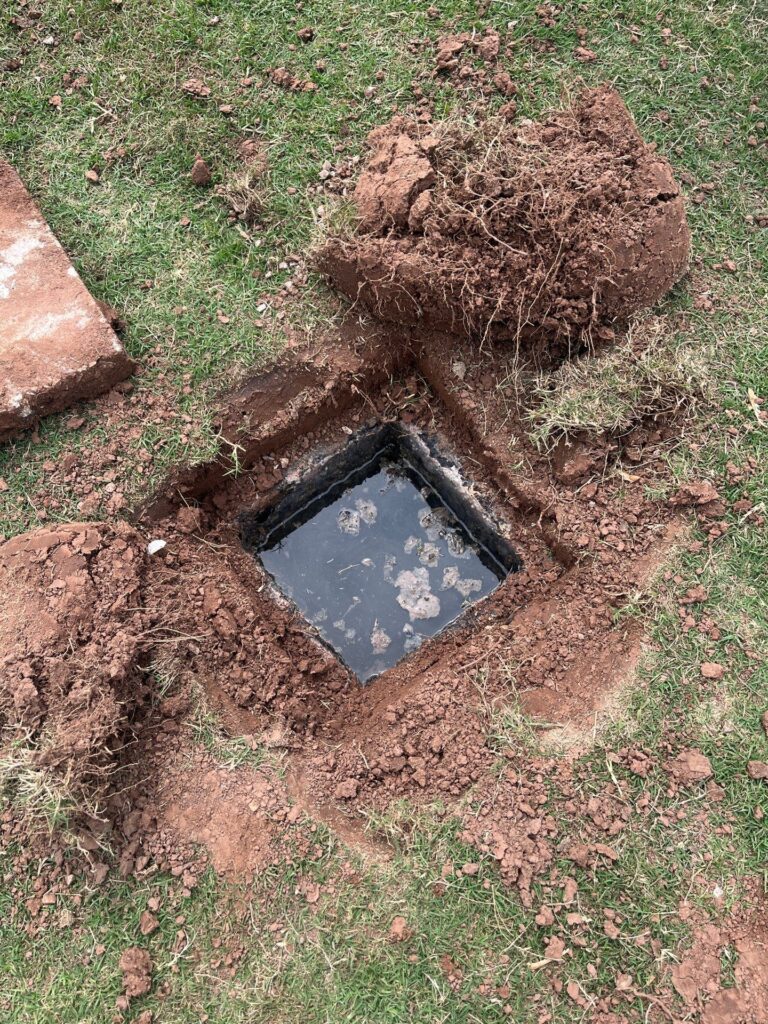
If your conventional septic system has worked perfectly through months of hot, dry weather, don’t assume that means everything is fine.
In fact, a drought can hide problems with your septic system.
When the ground stays dry for months, it absorbs the wastewater more easily. Then the rain comes back, the soil gets wet again, and suddenly homeowners start noticing slow drains, sewage odors, soggy areas over the lateral lines, or even sewage backing up into the house.
It can feel like the septic system failed overnight.
It didn’t.
The change in weather simply exposed a problem that was already there.
Why Septic Systems Work Better During a Drought
If your conventional septic system has worked perfectly through months of hot, dry weather, don’t assume that means everything is fine.
In fact, a drought can hide problems with your septic system.
When the ground is dry, it absorbs the wastewater more easily. Then the rain comes back, the soil gets wet again, and suddenly homeowners start noticing slow drains, sewage odors, soggy areas over the lateral lines, or even sewage backing up into the house.
It can feel like the septic system failed overnight.
It didn’t.
The change in weather simply exposed a problem that was already there.

The Rain Can Tell You a Lot About Your Septic System
Once we start getting consistent rain again, the conditions around your lateral field change.
Now your septic system isn’t trying to move wastewater into dry soil. It’s trying to move it into soil that already contains water.
A healthy, properly sized system should be designed to handle normal seasonal soil conditions.
A failing system will struggle.
That’s when problems that have been hidden for months can suddenly become obvious.
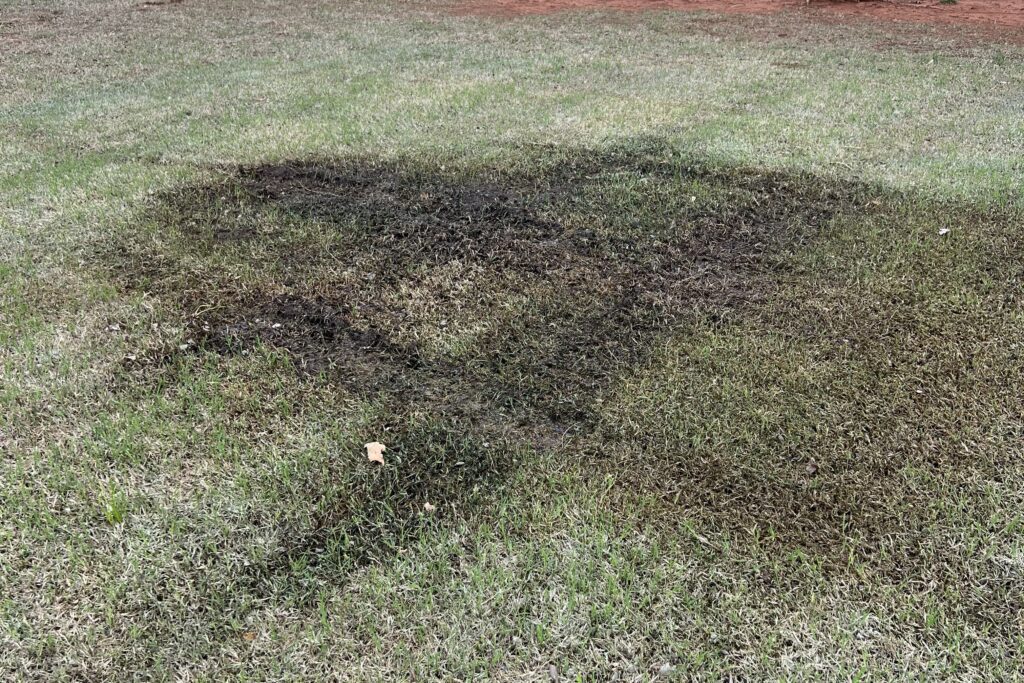
You may notice:
- Toilets flushing slower than normal
- Multiple drains in the house running slowly
- Gurgling toilets or drains
- Sewage odors inside or outside
- Wet or soggy areas over the lateral field
- Unusually green grass over part of the lateral field
- Wastewater surfacing in the yard
- Sewage backing up into the house
The rain didn’t necessarily “break” your septic system.
It may have changed the soil conditions enough that an existing problem can no longer hide.
Dry Oklahoma Soil Can Change Quite a Bit During a Drought
Depending on your soil type, it can shrink and crack substantially.
You’ve probably seen large cracks open in yards and pastures during a dry Oklahoma summer. Those same changes are happening around your septic system.
When rain finally returns, that soil begins taking on water and expanding again.
That change can affect how water moves through the soil around your lateral field. It can also contribute to movement around pipes and other components of the system.
This doesn’t mean every drought is going to damage your septic system. It does mean the conditions underground after months of drought can be very different from the conditions your system experiences after several weeks of normal rainfall.
Heavy Rain Is Different From Normal Rain
One thunderstorm after months of drought isn’t necessarily the test.
Initially, extremely dry soil may absorb quite a bit of water, and cracks in the soil can allow rainwater to move through the ground differently than it normally would.
However, several rain events over a few weeks can tell you much more about the condition of your lateral field than one big storm.
If your septic system starts struggling as the ground returns to normal moisture levels, pay attention.
That can be an early indication that your lateral field has lost some of its ability to accept wastewater. It could mean a simple repair to your septic system or a replacement.

Your Water Use During the Drought Matters Too
Water use can go either direction during a drought.
Some homeowners dramatically reduce household water use because they’re trying to conserve water.
Others are using considerably more water outside trying to keep lawns, gardens and landscaping alive.
Either way, don’t judge the condition of your septic system based solely on how it performed during an unusually dry period.
What matters is whether the system can handle normal household wastewater under normal soil conditions.
Don't Assume Pumping Will Fix a Wet-Weather Problem
If your septic system starts having problems after the drought ends, pumping the tank may provide temporary relief, but that doesn’t automatically mean a full tank caused the problem.
The septic tank and the lateral field do two different jobs.
If the lateral field can’t accept wastewater fast enough, pumping the tank essentially gives you temporary storage capacity. Once the tank fills with wastewater again, the symptoms may return.
That’s why we want to know what is actually happening before assuming the solution is simply to pump the tank.
What Should You Do If Problems Start After the Drought?
First, pay attention to the timing.
If everything worked while the soil was dry and problems begin after we return to wetter weather, tell your septic company that. It’s useful information.
Also pay attention to whether the problem gets worse after rain and improves after several dry days.
Reduce unnecessary water use while you’re having problems. Don’t run several loads of laundry back-to-back, take unusually long showers and then expect an already struggling lateral field to handle all of it at once.
And don’t ignore the warning signs because the system eventually starts working again.
A lateral field that struggles every time the soil gets wet is telling you something.
The Drought Probably Didn't Cause the Problem
This is probably the biggest thing Oklahoma homeowners should understand.
If your septic system worked all summer and suddenly starts acting up once the rain returns, it doesn’t necessarily mean something suddenly broke.
Your system may have been marginal for months, or even years.
Extremely dry conditions gave the wastewater somewhere to go, so you didn’t see the symptoms.
A weak lateral field often starts showing itself when the rain returns.
If you’re seeing slow drains, sewage odors, wet areas over your lateral field or backups after the weather turns wet, don’t just assume you need your tank pumped. Have someone look at the entire system and figure out why it’s struggling.
Your septic system may just be finally showing you what was already going on.
Get Your Septic System Evaluated
If you start having problems with your septic system, the first step is to get it evaluated by a knowledgabel, local septic company.
The company should be able to explain the problem clearly and offer multiple solutions. Replacement is rarely the only answer but it’s the only one most homeowners receive. Your system should be evaluated for the 3 R’s – remediation, repair and replacement.
Call (405) 373-1540 or schedule an appointment online to get your system evaluated.