If you are building a home or replacing a septic system in Oklahoma, you may be trying to figure out the difference between an aerobic and conventional septic system.
You may also hear a conventional septic system called an anaerobic septic system. Technically, anaerobic describes the type of bacterial treatment happening inside the septic tank. Most homeowners, installers, and contractors simply call it a conventional septic system.
Both types of septic systems use bacteria to break down waste. The biggest difference is the type of bacteria that does the work.
A conventional septic system relies mostly on anaerobic bacteria that work in an environment with little or no oxygen. An aerobic septic system adds oxygen to create an environment where aerobic bacteria can break down waste more efficiently.
That difference affects how the wastewater is treated, how much maintenance it needs, and the quality of the wastewater after treatment.
How Does a Conventional Septic System Work?
A conventional septic system is probably what you think of when you hear the word “septic”. Its operation is fairly simple.
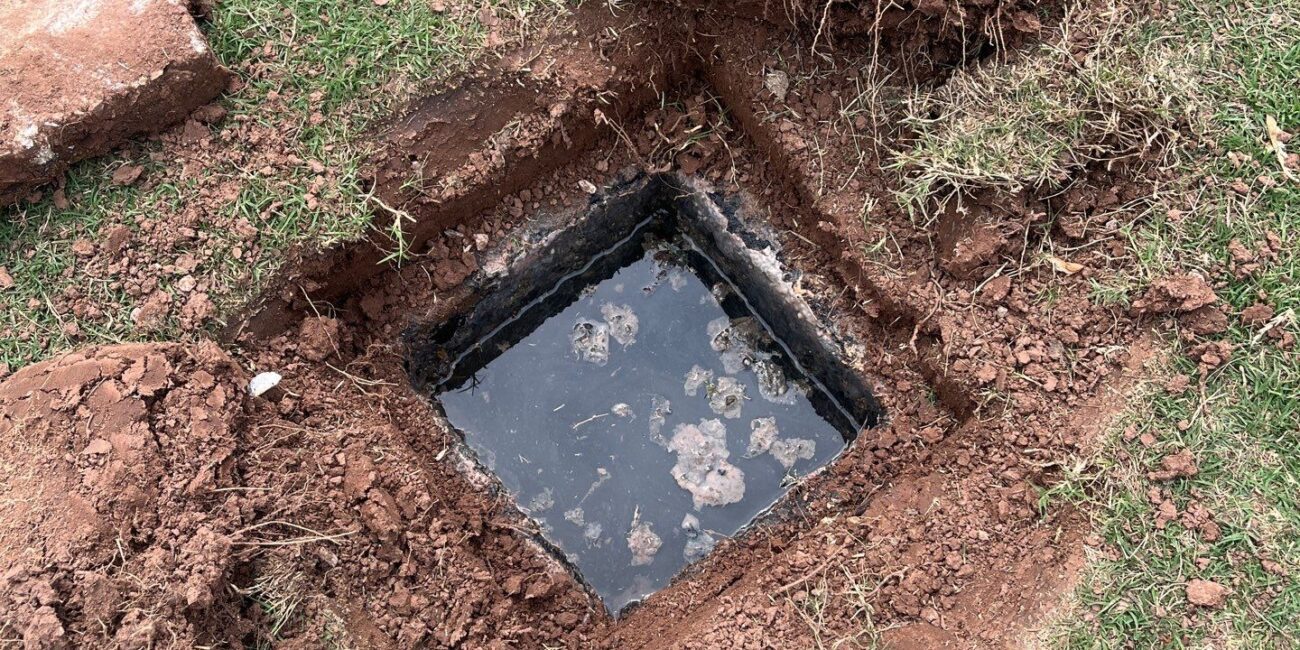
Wastewater from the house flows into a septic tank. Inside the tank, heavier solids settle to the bottom and form a sludge layer. Fats, oils, and other lighter materials float to the top and form a scum layer.
Between those layers is liquid wastewater, called effluent.
Bacteria inside the septic tank begin breaking down the organic waste. Because there is very little oxygen inside the tank, most of this work is done by anaerobic bacteria.
The wastewater then leaves the septic tank and flows into a soil absorption area, commonly called a lateral field, drain field, or leach field.
Most people don’t realize, the septic tank doesn’t do all of the treatment!
The tank separates solids and begins breaking down the waste, but the soil does about 80% of the treatment.
That is why soil conditions are so important when installing a conventional septic system.

How Does an Aerobic Septic System Work?
An aerobic septic system takes wastewater treatment a step further.
Instead of relying only on bacteria that live without oxygen, an aerobic treatment unit, or ATU, adds air to the wastewater.
That oxygen creates an environment where aerobic bacteria can thrive.
The easiest way to think about an aerobic septic system is as a small wastewater treatment plant in your yard.
Wastewater typically moves through several stages where solids are separated, organic waste is broken down, and the wastewater is clarified and disinfected before it is dispersed.
In Oklahoma, many residential aerobic septic systems disperse the treated wastewater through spray irrigation.
Those sprinkler heads you see in a yard with an aerobic system aren’t regular lawn sprinklers. They are part of the wastewater system.
Unlike a conventional system, about 80% of the treatment is complete before the wastewater ever leaves the tank.

Aerobic Systems Break Down Waste More Efficiently
Effluent quality is one of the biggest differences between aerobic and conventional septic systems.
Aerobic bacteria are more efficient at breaking down organic waste than anaerobic bacteria.
The anaerobic bacteria inside a conventional septic tank can break down organic material, but the process is slower and less complete. A conventional septic system is designed around that limitation. The septic tank provides primary treatment, and the soil provides the additional treatment after the wastewater leaves the tank.
An aerobic septic system supplies oxygen to the treatment process. With oxygen available, aerobic bacteria can consume and break down organic material much more efficiently.
Aerobic treatment is much more effective at treating wastewater than a conventional septic tank alone.
That means the wastewater leaving a properly operating aerobic treatment unit has received a much higher level of treatment before it is dispersed.
That doesn’t automatically make an aerobic septic system better for every property. It simply means aerobic treatment is more efficient.
Why Would I Need an Aerobic System Instead of a Conventional Septic System?
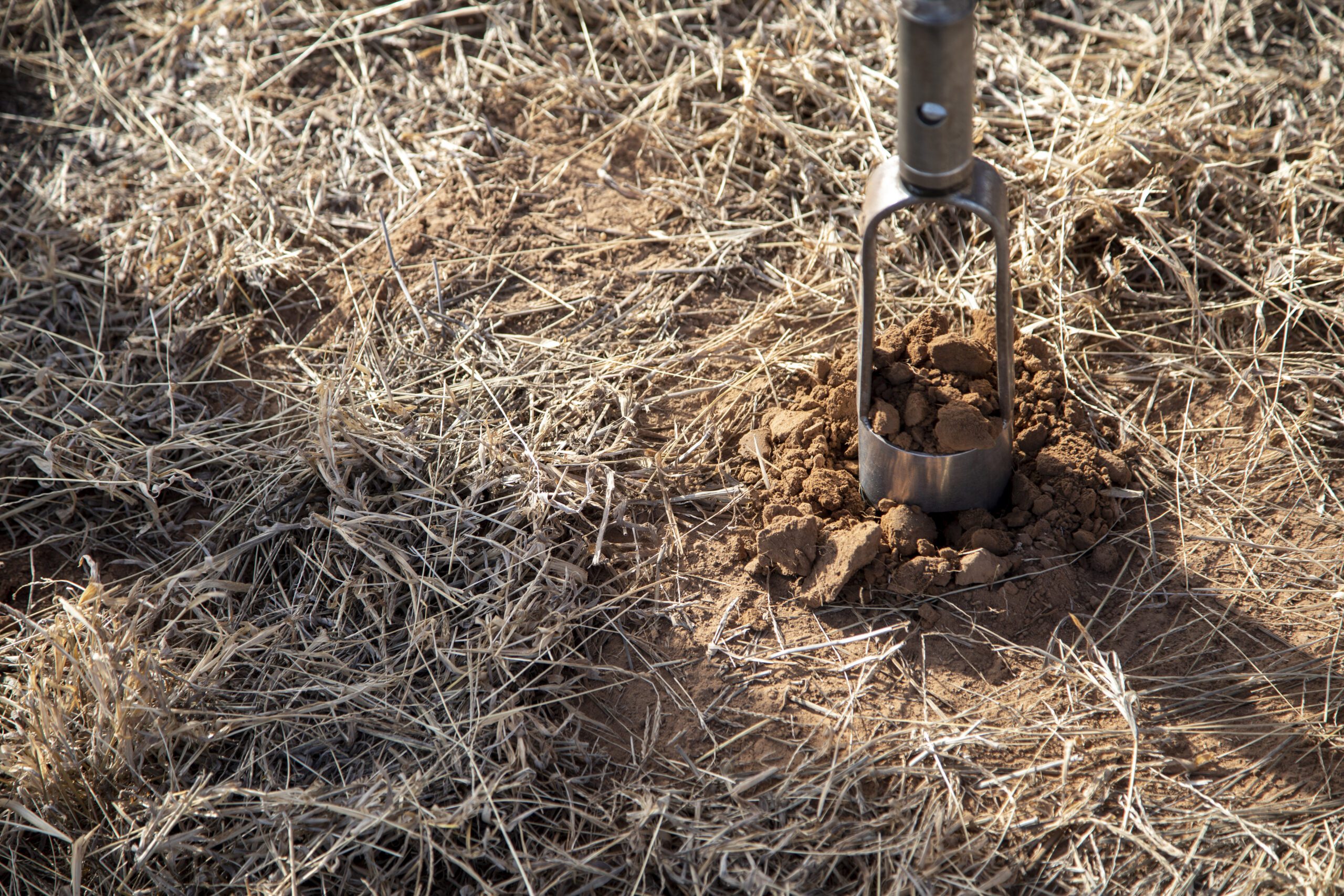
A conventional septic system depends heavily on the soil, which is why you need a soil test. The property needs suitable soil and enough usable area for the wastewater to be treated and absorbed.
Soil type, lot size, slope, groundwater, restrictive soil layers, setbacks, and available space can all affect what type of septic system can be installed.
Two properties right next to each other can have different soil conditions and may require completely different septic systems.
When the property isn’t suitable for a conventional septic system, an aerobic treatment system may be an option because much more of the treatment happens before the wastewater is dispersed.
Conventional Septic vs. Aerobic Septic
The easiest way to compare the two systems is by looking at what each one does well.
A conventional septic system:
- Uses anaerobic bacteria to begin breaking down waste
- Uses a septic tank for primary treatment
- Relies heavily on the soil for additional treatment
- Does not need an aerator
- Has fewer mechanical and electrical components
- Usually requires less routine maintenance
- Generally costs less to operate
- Still requires septic pumping
- Requires suitable soil and site conditions
An aerobic septic system:
- Uses oxygen and aerobic bacteria to treat wastewater
- Breaks down organic waste more efficiently
- Provides a higher level of treatment before dispersal
- Uses an aerator and electricity
- Has more mechanical and electrical components
- Requires more routine maintenance
- Includes disinfection
- May use spray irrigation to disperse treated wastewater
- Can be an option on some properties where a conventional septic system isn’t suitable
Do All Septic Systems Need to Be Pumped?
Yes.
There is a common misconception that septic systems don’t need to be pumped.
That’s not true.
Bacteria can break down a lot of organic material, but they can’t make everything disappear.
Some solids can’t be broken down by bacteria. Solids are also produced as part of the biological treatment process. Over time, sludge still accumulates inside the system.
Eventually, it has to be removed.
No bacteria, septic additive, treatment product, or magic packet you flush down the toilet eliminates the need to remove accumulated solids from a septic tank.
Do Conventioanl Septic Systems Need Maintenance?
Absolutely. All systems need pumped. Even conventional systems.
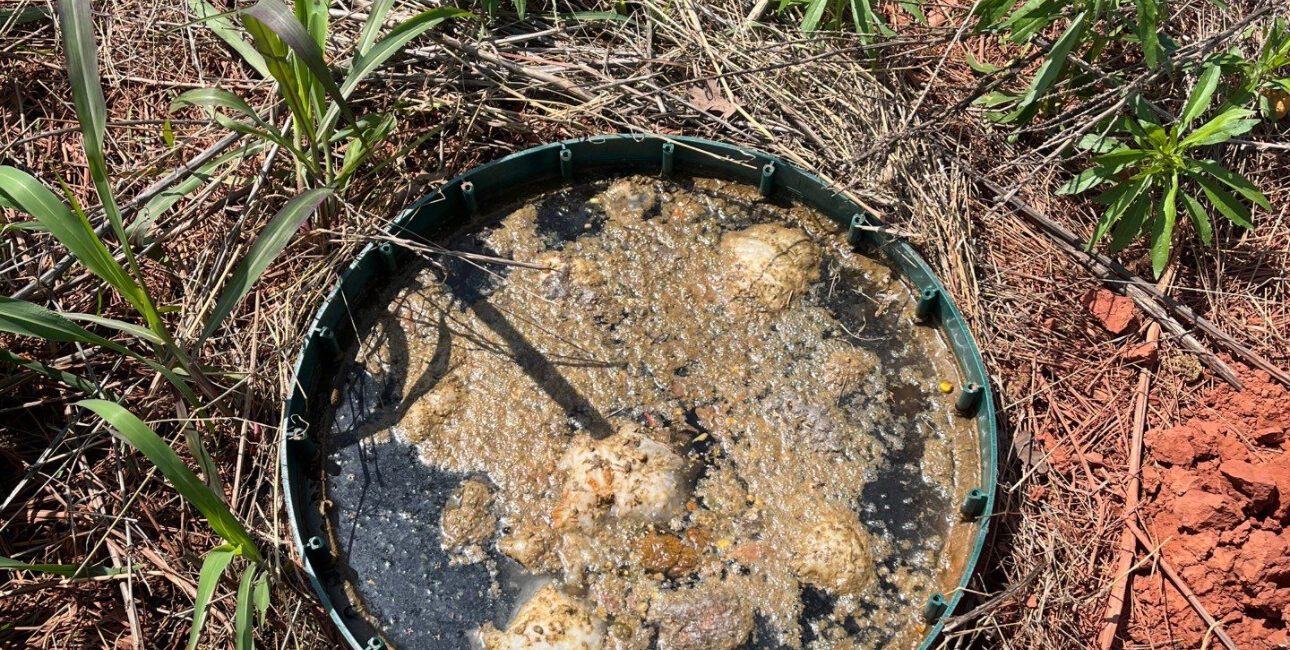
You also need to protect your lateral field. Do not drive heavy equipment over it. Don’t build a shop, swimming pool, driveway, or other structure over it. Don’t intentionally direct large amounts of stormwater onto it.
You also need to pay attention to what goes down your drains.
A conventional septic system can last for decades when it is properly designed, installed, and cared for.
But low maintenance does not mean no maintenance.
Waiting until sewage backs up into your house is not a septic maintenance program.
Do Aerobic Septic Systems Need More Maintenance?
An aerobic system has more equipment, which means there is more to maintain.
The system will have an aerator, pumps, floats, alarms, a control panel, sprinkler heads, and a disinfection system.
All of those components have a job to do.
If the aerator stops working, oxygen is no longer being properly supplied to the treatment process. If a pump fails, the system may not disperse wastewater correctly. If an alarm comes on, something caused it.
Aerobic septic systems can provide excellent wastewater treatment, but they aren’t install-it-and-forget-it systems.
That higher level of treatment comes with additional maintenance.
Which Septic System Costs More?
There isn’t one answer.
An aerobic septic system has more equipment, but it will often costs less to install than a conventional septic system.
A conventional septic system needs a lateral field. The size and design of that field depend on the property and soil conditions. Excavation, system size, difficult access, imported material, and other site conditions can all affect the installation cost.
Operating costs are a little easier to compare.
A conventional septic system generally costs less to operate because it has fewer mechanical components.
An aerobic system has ongoing costs for electricity, routine maintenance, disinfection, and eventually replacement of mechanical components.
Before comparing prices, though, you need to know which systems are actually options for your property.
A cheap septic system that doesn’t work on the property isn’t a bargain.
Is an Aerobic or Conventional Septic System Better?
Neither one is better in every situation.
If we are talking strictly about the ability to break down organic waste, aerobic treatment is better. Adding oxygen allows aerobic bacteria to treat wastewater much more efficiently than the anaerobic treatment happening inside a conventional septic tank.
If we are talking about simplicity, conventional septic has the advantage.
A conventional septic system has fewer mechanical parts, lower operating costs, and generally requires less ongoing maintenance.
That’s why choosing a septic system shouldn’t start with deciding which one you like better.
It should start with the property.
How Do I Know if My Property Can Have a Conventional Septic System?
The property needs to be evaluated to determine what type of septic system is appropriate. That evaluation can identify whether a conventional septic system is an option or whether an aerobic system is needed.
At Cyclone Septic & Plumbing, we work with both aerobic and conventional septic systems throughout Central Oklahoma. We handle soil evaluations, septic installation, septic pumping, aerobic maintenance, troubleshooting, and septic repairs.
We don’t believe in making a septic system more complicated than it needs to be.
If the property is a good candidate for a conventional septic system, great. Conventional systems are simple, reliable, and have been used successfully for a very long time.
If the property needs an aerobic septic system, there is usually a reason for it. And when properly installed and maintained, aerobic systems provide a much higher level of wastewater treatment.
The goal isn’t to decide whether aerobic or conventional septic is better.
The goal is to put the right system on the right property.

Building a home or replacing an existing septic system? Request a septic installation estimate and we can help determine the right system for your property.