
When most people think about septic systems, they picture a house in the country. The reality is that thousands of Oklahoma businesses also rely on septic systems every day. Restaurants, churches, event venues, office buildings, daycares, retail centers, and more all depend on properly designed wastewater systems.
Commercial septic systems are not simply larger versions of residential systems. They require careful design, accurate soil evaluation, proper permitting, and ongoing maintenance to protect your investment and keep your business operating without interruption.
At Cyclone Septic & Plumbing, we specialize in commercial wastewater systems that are built to perform for years to come.
Commercial Septic Systems Are Different
A residential septic system typically serves one family with fairly predictable water usage. Commercial properties are much different.
The amount of wastewater produced can vary dramatically depending on the business. A restaurant may experience large surges during lunch and dinner. An event venue might sit nearly empty during the week and then serve hundreds of guests on weekends. An office building has very different wastewater characteristics than a daycare or manufacturing facility.
Because every business is unique, there is no one-size-fits-all septic system.
The design must account for expected wastewater flow, occupancy, soil conditions, available property, local regulations, and future growth.
Getting those calculations right from the beginning can save tens of thousands of dollars later.

Proper Site Evaluation Comes First
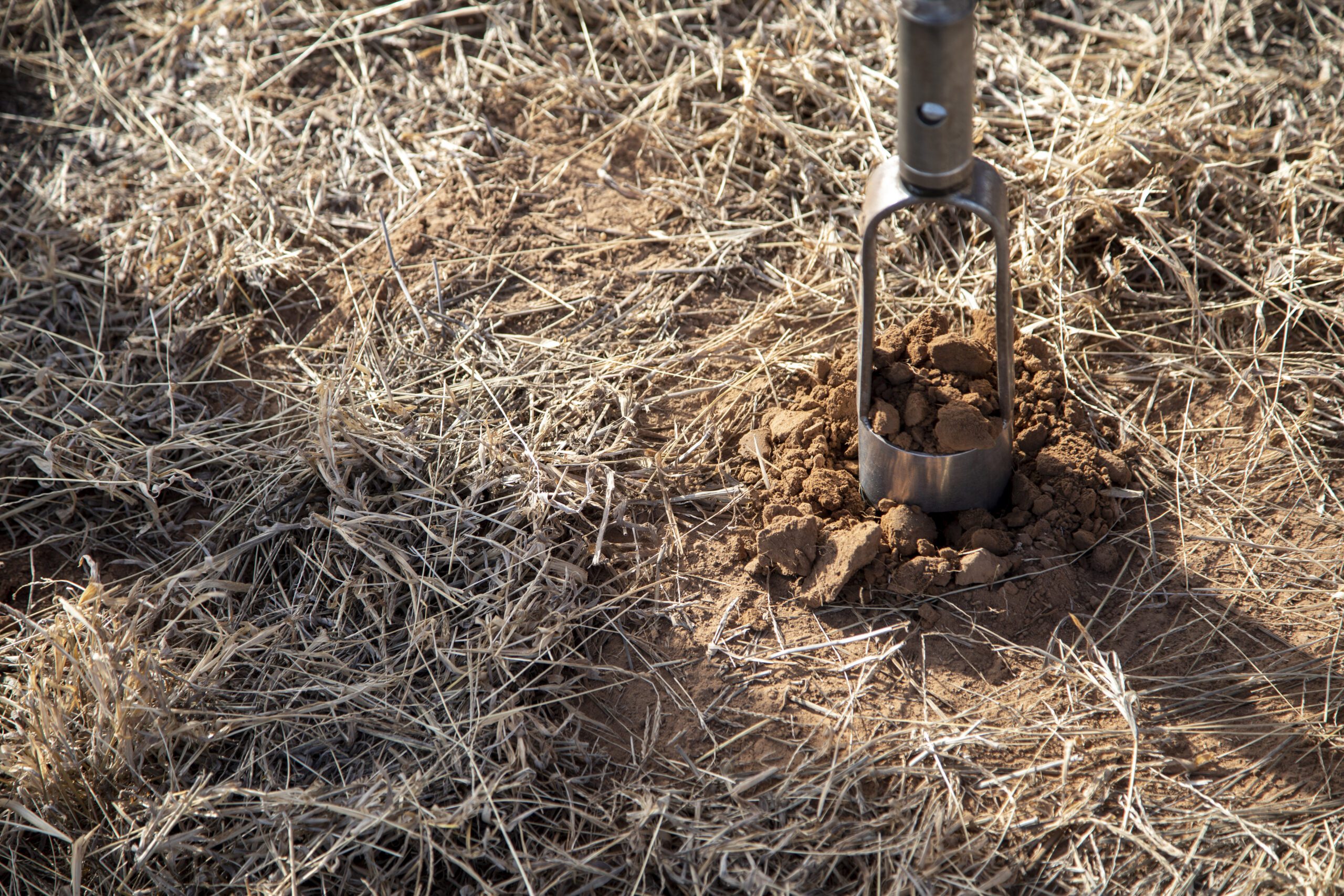

One of the biggest mistakes made during commercial projects is rushing into construction before understanding the site.
Every commercial installation should begin with a detailed site evaluation. That includes:
- Soil profiling
- Site topography
- Drainage patterns
- Seasonal water table
- Available space
- Future expansion plans
The right system on the wrong property can become an expensive problem. Taking the time to evaluate the site correctly allows the system to be designed specifically for that property instead of forcing a standard solution where it doesn’t belong.
Planning for the Future
Businesses grow.
A building that starts with ten employees today may have thirty employees a few years from now. An event venue may increase bookings. A warehouse may eventually add office space.
Planning for future expansion during the design phase is often much less expensive than replacing an undersized system later.
Whenever possible, we discuss long-term plans with property owners before construction begins so the septic system can support future growth.
Maintenance Is Far Less Expensive Than Repairs

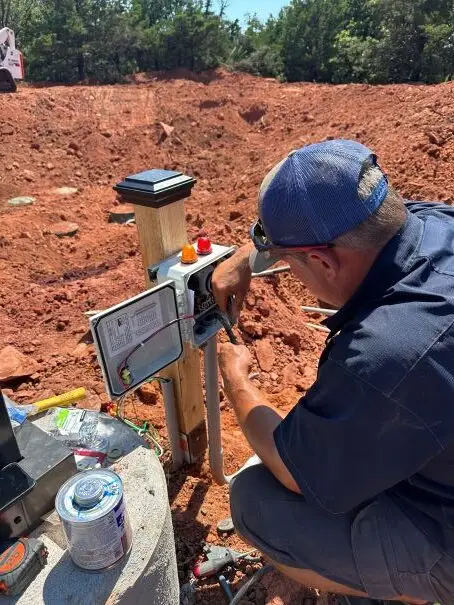
Many commercial property owners don’t think about their septic system until something stops working.
Unfortunately, by that point, repairs are usually much more expensive than routine maintenance.
Commercial septic systems should be inspected and maintained on a regular schedule based on the property’s wastewater usage.
Routine maintenance may include:
- Septic tank pumping
- Pump inspections
- Float testing
- Alarm testing
- Aerator inspection
- Spray field evaluation
- System performance checks
These visits allow small issues to be identified before they become emergency repairs or business interruptions.