If you own a home in Edmond, Deer Creek, Guthrie, or the surrounding areas and you’re on a septic system, pumping isn’t something you wait on. It’s routine maintenance that keeps small issues from turning into expensive ones. Many homeowners we work with aren’t dealing with backups or failures. They’re staying ahead of it so they never have to worry about them.
What Septic Tank Pumping Actually Is
Septic tank pumping is the process of removing buildup inside your tank before it causes damage.
Every septic tank separates into three layers:
- Solid waste settles at the bottom
- Grease and lighter materials float to the top
- Liquid flows out to the drain field
Only that middle layer should leave the tank. Everything else builds up over time.
Pumping removes that buildup so your system continues working properly.

Why Pumping Alone Isn’t the Real Goal
Most companies treat pumping like the service. It’s not.
Pumping is just the starting point. The real value is knowing what’s happening inside your system before it turns into a failure.
In Edmond and north OKC, we regularly see systems that:
- Haven’t been maintained consistently
- Have solids in the drainfield
- Fail long before homeowners expect it
At that point, you’re no longer maintaining your system. You’re repairing it.
What Should Happen During a Septic Tank Pumping Service
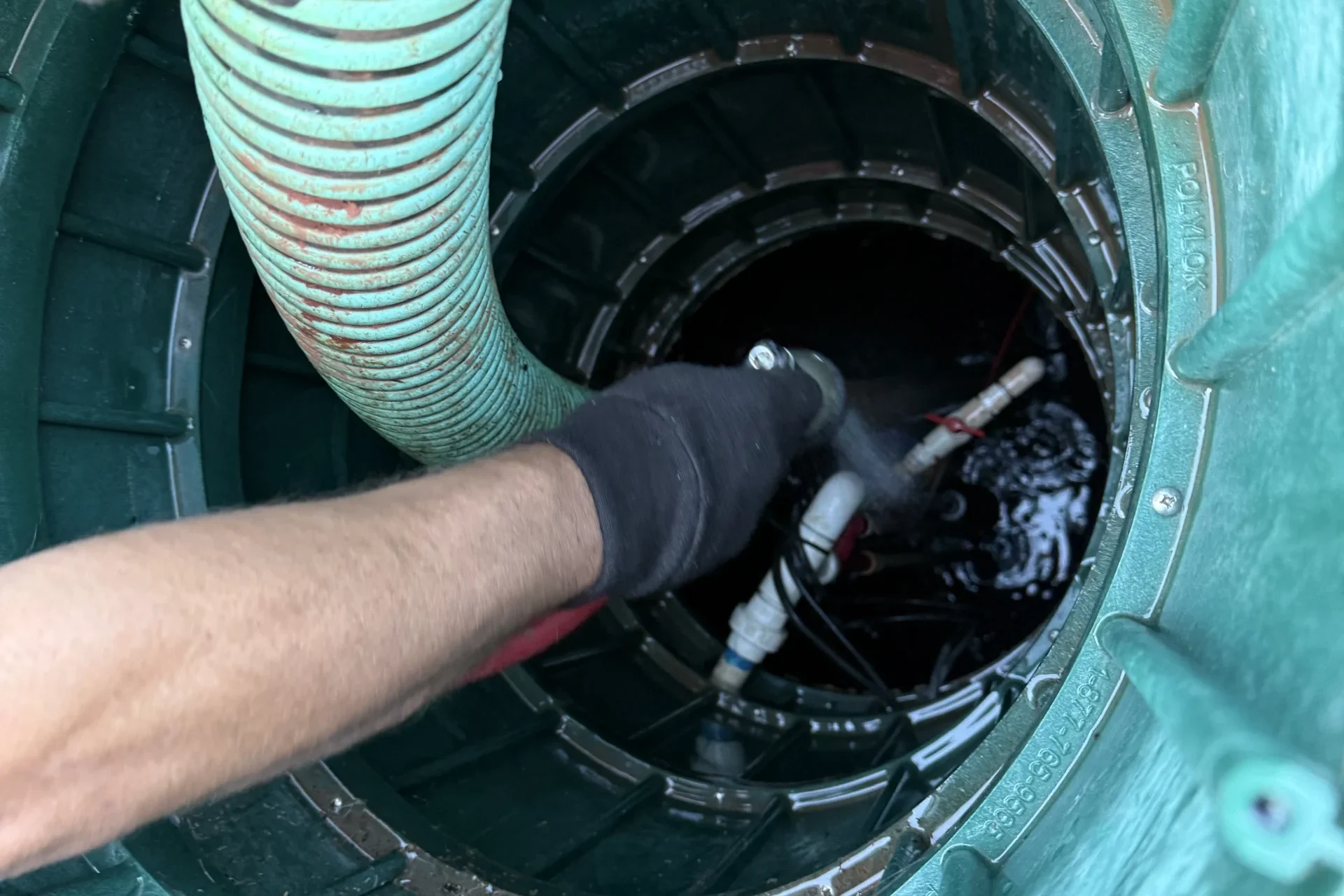
A proper service should include more than just emptying the tank:
- Tank is located and opened
- All contents are removed
- Inlet and outlet components are checked
- Early signs of failure are identified
The pumping itself is quick. The inspection is what protects you long term.
How Often Should You Pump a Septic Tank?
For most homes in Edmond, Guthrie, and surrounding areas:
- Conventional systems: every 3 to 5 years
- Aerobic systems: every 1 to 3 years plus annual service
That timeline depends on usage, but waiting for symptoms is always too late.

The Smarter Way to Maintain Your Septic System
Pumping on a schedule is the minimum you should be doing for your septic system.
What actually protects your system is getting ahead of problems.
More homeowners are moving toward:
- Routine service plans
- Scheduled inspections
- Monitoring systems that catch issues early
This approach prevents problems instead of reacting to them.
Septic Monitoring: How Septilink Helps You Stay Ahead
Most septic systems don’t fail overnight. Problems build slowly.
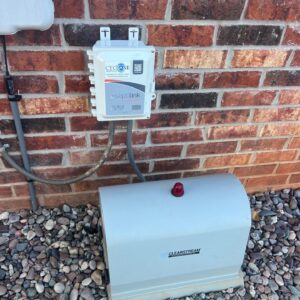
Septilink adds 24/7 monitoring to your system so issues are detected early, often before an alarm or visible symptom.
For homeowners who want to avoid surprises, it provides a level of control most systems don’t have.
Septilink can be installed on any aerobic system, regardless of brand, age or who installed it.
Signs Your Septic Tank Needs Pumping Now

If you’re noticing any of these, you’re already behind on maintenance:
- Slow drains throughout the house
- Sewage odors
- Wet or unusually green areas in your yard
- Gurgling sounds from plumbing
- Backup in lower drains
At this stage, the goal shifts from prevention to damage control.
Get Your Septic Tank Cleaned Out Before it's Too Late
If you’re in Edmond, Deer Creek, Guthrie, Piedmont, or nearby communities, maintaining your septic system isn’t something to put off.
Cyclone Septic & Plumbing focuses on long-term system performance, not just one-time service calls.
If it’s been a few years or you’re not sure if it’s ever been pumped, now is the time to act!
Bottom Line
Septic tank pumping is basic maintenance.
But homeowners who avoid major repairs don’t just pump their tanks. They stay on a schedule, monitor their systems, and handle small issues before they turn into expensive ones.

You can learn more about your septic system by purchasing Living With an Onsite Wastewater System on Amazon.
Why do some homeowners delay septic pumping even when they know better?
It’s out of sight, out of mind. There’s no immediate consequence, so it gets pushed down the list until something forces the issue. Smart homeowners treat it like HVAC service or roof maintenance and handle it before there’s a problem.
Does regular pumping actually extend the life of a septic system?
Yes. Keeping solids under control reduces stress on the system and helps prevent long-term damage. Systems that are maintained consistently tend to perform better and last longer than ones that are neglected.
Is septic maintenance something I can just deal with later when I have time?
That mindset is what leads to failures. Septic issues usually show up at the worst time. Staying on schedule keeps you in control instead of reacting to a mess.
What separates homeowners who never have septic issues from those who do?
Consistency. The ones who never deal with emergencies aren’t lucky, they just stick to a maintenance routine and don’t wait for warning signs before taking action.